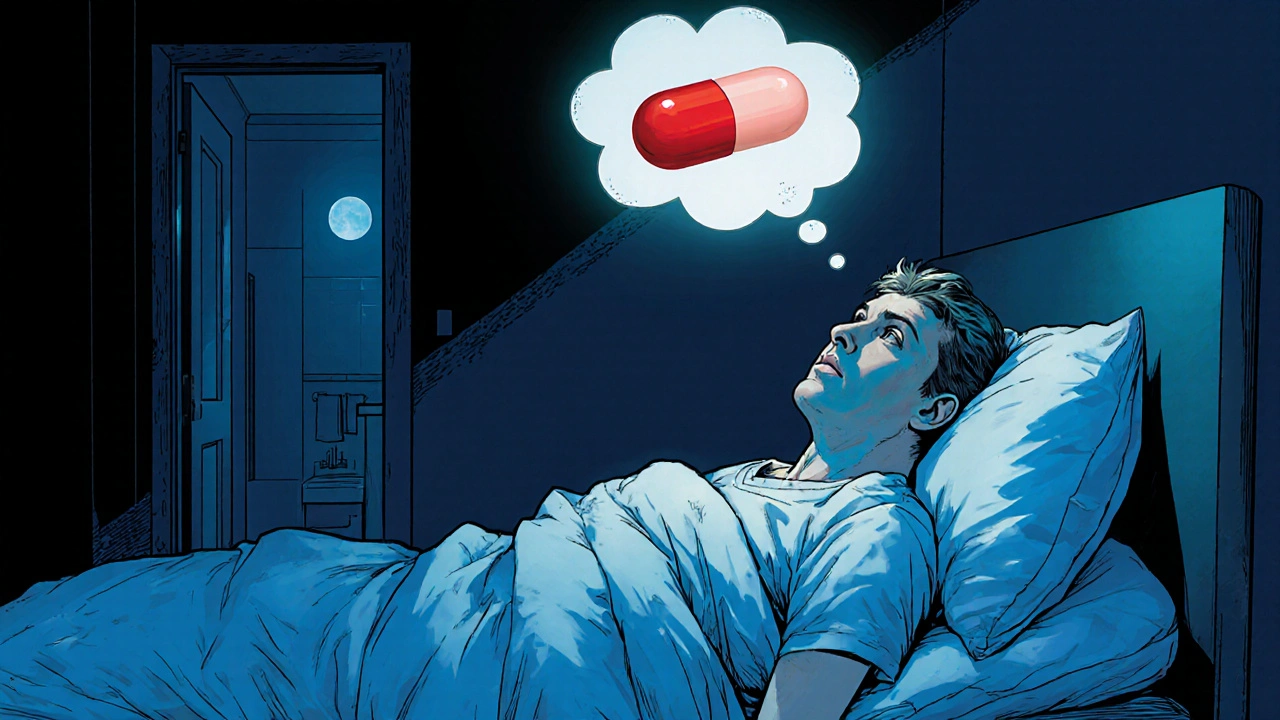
Hydrochlorothiazide and Sleep: How This Diuretic Impacts Your Rest
Discover if Hydrochlorothiazide disrupts sleep, why nocturia and electrolyte shifts happen, and practical tips to keep your nights restful while managing blood pressure.
When dealing with Hydrochlorothiazide, a thiazide‑type diuretic prescribed for high blood pressure and fluid retention. Also known as HCTZ, it helps the kidneys dump excess salt and water, which can lead to more trips to the bathroom at night.
Hydrochlorothiazide belongs to the broader class of diuretics, drugs that increase urine output to lower blood pressure or reduce swelling. Because diuretics act on fluid balance, they often affect nocturia, the condition of waking up to urinate during sleep. This chain—Hydrochlorothiazide influences fluid balance, fluid balance triggers nocturnal urination, nocturnal urination disrupts sleep—creates a clear cause‑and‑effect loop.
Most people take Hydrochlorothiazide to manage hypertension, a chronic condition that raises the risk of heart disease and stroke. While controlling blood pressure is vital, the timing of the dose matters for sleep quality. Taking the medication too late in the day can flood the kidneys when you’re ready for bed, raising the chance of nighttime bathroom trips.
Nighttime urination isn’t just inconvenient; it fragments deep sleep stages that are crucial for memory, mood, and overall health. When you wake up multiple times, you lose REM and slow‑wave sleep, which leads to grogginess the next day. Understanding how electrolyte imbalance, especially low potassium or magnesium, interacts with diuretic use can help you protect both your sleep and heart.
Practical steps start with dose timing. Most clinicians recommend taking Hydrochlorothiazide in the morning, ideally with breakfast, so its peak diuretic effect occurs during daylight hours. If you must take it later, a reduced dose or a split regimen (half in the morning, half in the early afternoon) can spread the urine‑producing effect and spare your night.
Staying hydrated is still important, but you can balance fluid intake by drinking most of your water earlier in the day. Aim for a glass of water after your morning dose, then taper off after lunch. A light, low‑sodium dinner also reduces the kidney’s workload, letting you avoid late‑night bathroom trips.
Electrolyte monitoring is another key factor. Hydrochlorothiazide can lower potassium, which sometimes triggers muscle cramps that wake you up. Adding a potassium‑rich food—bananas, oranges, spinach—or a prescribed supplement can keep levels stable. Magnesium works similarly, supporting muscle relaxation and reducing restless leg sensations that can compound sleep problems.
Beyond medication tricks, good sleep hygiene, habits that prepare your body for restorative rest, makes a big difference. Keep your bedroom cool, dim the lights an hour before bed, and avoid caffeine after midday. If you find yourself waking up to use the bathroom, try a brief relaxation technique—deep breathing or gentle stretching—to slip back into sleep faster.
1. Timing: Take the pill early to let its diuretic peak before bedtime.
2. Fluid distribution: Front‑load water intake; limit fluids after dinner.
3. Electrolytes: Monitor potassium and magnesium, supplement if needed.
4. Blood pressure checks: Ensure the dose remains effective without causing excess urine output.
5. Sleep environment: Dark, cool, quiet space supports deeper sleep cycles.
By aligning these factors, you can keep your blood pressure in check without sacrificing a solid night’s rest. Below you’ll find a range of articles that dig into each of these points—everything from timing strategies to electrolyte management, plus real‑world tips from patients who’ve learned to sleep soundly while on Hydrochlorothiazide. Explore the collection to find the specific advice that fits your routine and start improving both your heart health and sleep quality today.
Discover if Hydrochlorothiazide disrupts sleep, why nocturia and electrolyte shifts happen, and practical tips to keep your nights restful while managing blood pressure.