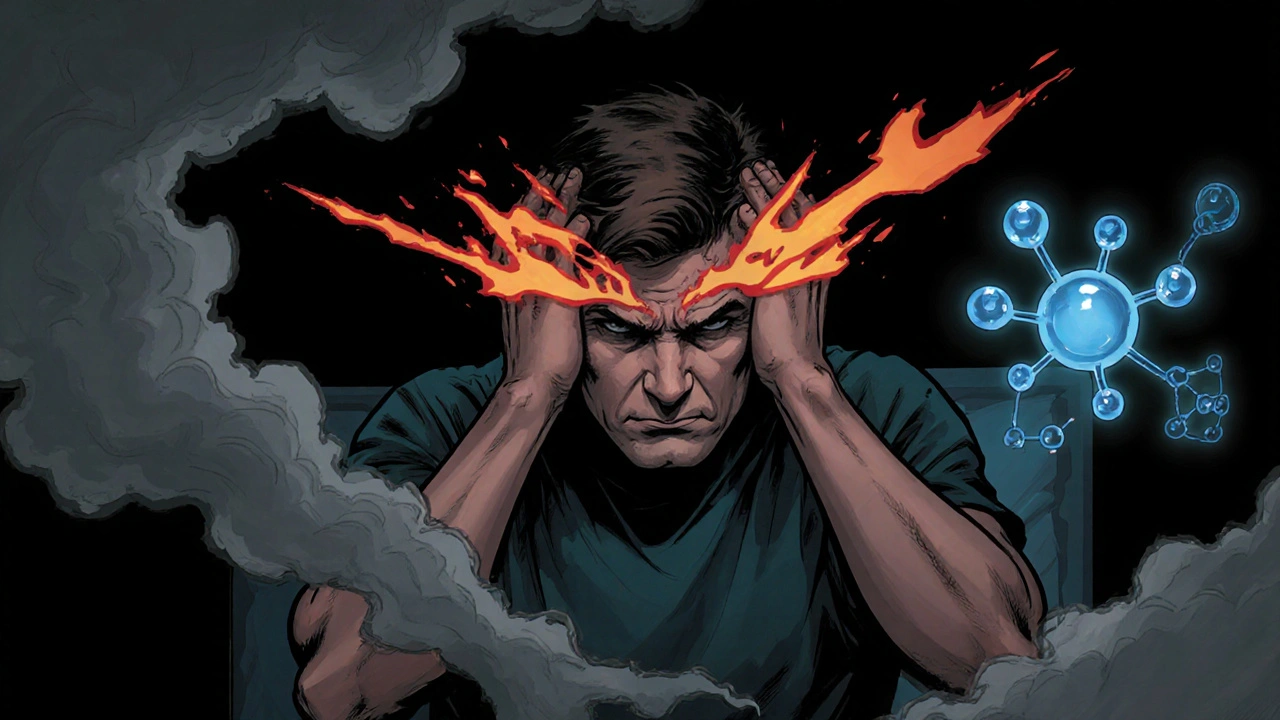
How Headaches Relate to Mental Health: Signs, Causes, and Management
Explore how headaches and mental health influence each other, learn to spot warning signs, and discover practical steps and treatments that address both pain and mood.
When dealing with anxiety headache symptoms, headaches that start or get worse during periods of anxiety or stress, you’ll often also notice anxiety, a feeling of worry or unease that can fire up the nervous system. The pain itself is usually described as a headache, a pressure or throbbing sensation in the head that can vary in intensity. Commonly, the headache takes the form of a tension‑type headache, a band‑like pressure around the forehead and temples often linked to muscle tightness. Underlying stress, the body’s response to physical or emotional demands that releases cortisol and adrenaline acts as the bridge between the emotional state and the physical pain. In short, anxiety triggers physiological changes that tighten neck and scalp muscles, raise blood pressure, and amplify pain signals – a clear example of how anxiety headache symptoms encompass both mental and physical factors. Understanding this link sets the stage for practical relief.
First, consider the role of stress hormones. When anxiety spikes, cortisol surges, causing blood vessels to constrict then dilate, which can generate a pounding sensation. Muscle tension is another key driver; worry often leads to clenched jaws or a stiff neck, creating a tension‑type headache pattern. Caffeine intake can worsen the picture because it stimulates the nervous system, making you more jittery and prone to headaches. Sleep deprivation compounds the issue – lack of restorative sleep leaves the brain’s pain pathways hypersensitive, so even mild anxiety can feel like a full‑blown migraine. Even certain medications, like decongestants or some antidepressants, may have side effects that mimic or intensify anxiety headache symptoms. Recognizing these triggers helps you spot the cause before the pain escalates, turning a confusing symptom into a manageable sign.
Managing anxiety headache symptoms starts with a two‑fold approach: calm the mind and relax the muscles. Simple breathing exercises, such as a 4‑4‑6 pattern (inhale 4 seconds, hold 4, exhale 6), lower heart rate and reduce cortisol. Pair this with progressive muscle relaxation—tighten each muscle group for five seconds, then release—to undo the tension that fuels the headache. Regular cardio, even a brisk 20‑minute walk, improves circulation and burns off excess stress hormones. If you notice caffeine or screen time heightening your anxiety, try cutting back gradually. Over‑the‑counter pain relievers can help occasionally, but don’t rely on them daily; they may mask underlying stress and lead to rebound headaches. Finally, consider talking to a therapist or using a guided meditation app; addressing the root anxiety often reduces the frequency and severity of headaches. Below you’ll find articles that dive deeper into each of these strategies, from drug‑specific insights to lifestyle tweaks, giving you a toolbox to tackle anxiety headache symptoms head‑on.
Explore how headaches and mental health influence each other, learn to spot warning signs, and discover practical steps and treatments that address both pain and mood.