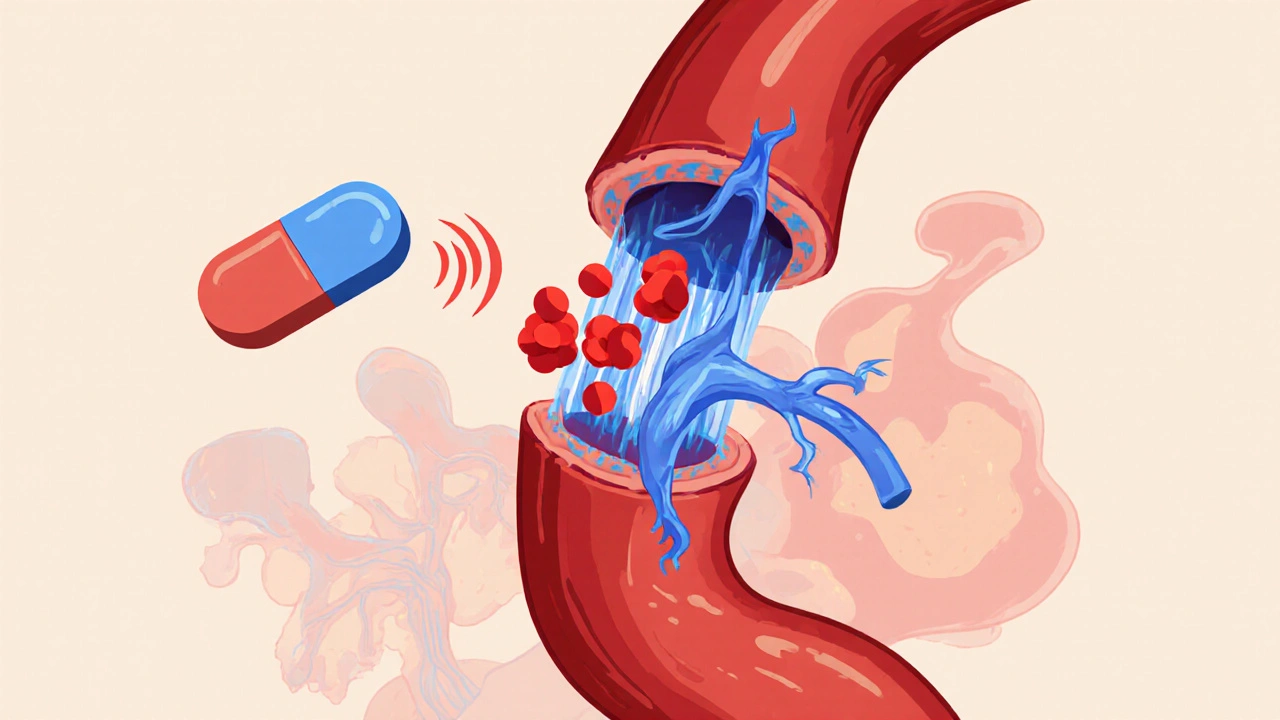
Anti-inflammatory Medications: What They Are, How They Work, and What to Watch For
When you feel swelling, heat, or pain from an injury or chronic condition, you’re seeing inflammation, the body’s natural response to harm or infection, often causing redness, swelling, and discomfort. Also known as the inflammatory response, it’s not always bad—it’s how your body heals. But when it sticks around too long, it becomes a problem. That’s where anti-inflammatory, a category of drugs designed to reduce swelling and pain by blocking the body’s chemical signals that trigger inflammation come in.
Most people reach for NSAIDs, nonsteroidal anti-inflammatory drugs like ibuprofen or naproxen, commonly used for headaches, muscle pain, or arthritis first. They’re available over the counter, work fast, and help millions stay active. But they’re not harmless. Long-term use can hurt your stomach, kidneys, or even raise blood pressure. Some anti-inflammatories, like corticosteroids, are stronger and used for conditions like rheumatoid arthritis or asthma—but they come with their own risks, like weight gain or bone thinning. Even natural options, like turmeric or fish oil, can interact with other meds. The key isn’t just whether they work, but whether they’re safe for you, long-term.
What you’ll find in this collection isn’t a list of every pill on the shelf. It’s real stories from people managing chronic pain, side effects, and tricky trade-offs. You’ll read about how ibuprofen helps menstrual cramps but might affect your bones over time. You’ll see how cholestyramine, a bile acid binder, unexpectedly helps some with IBS by calming gut inflammation. You’ll learn why a steroid inhaler might cause slight weight gain, or how a drug used for multiple sclerosis can lead to hair loss—because inflammation isn’t just in your joints or skin. It’s in your gut, your nerves, even your scalp. These posts don’t just name drugs. They show you how they really behave in real bodies.
If you’ve ever wondered why your doctor switched your pain med, or why your friend gained weight on a steroid, or why some people can’t take NSAIDs at all—this is the place to find answers without the jargon. No fluff. No marketing. Just what actually happens when you take something to quiet down your body’s alarm system—and what to watch for when you do.