Ranitidine and Osteoporosis: What the Latest Research Says
Explore how ranitidine may affect bone health, the evidence linking it to osteoporosis, and practical steps to protect your skeleton.
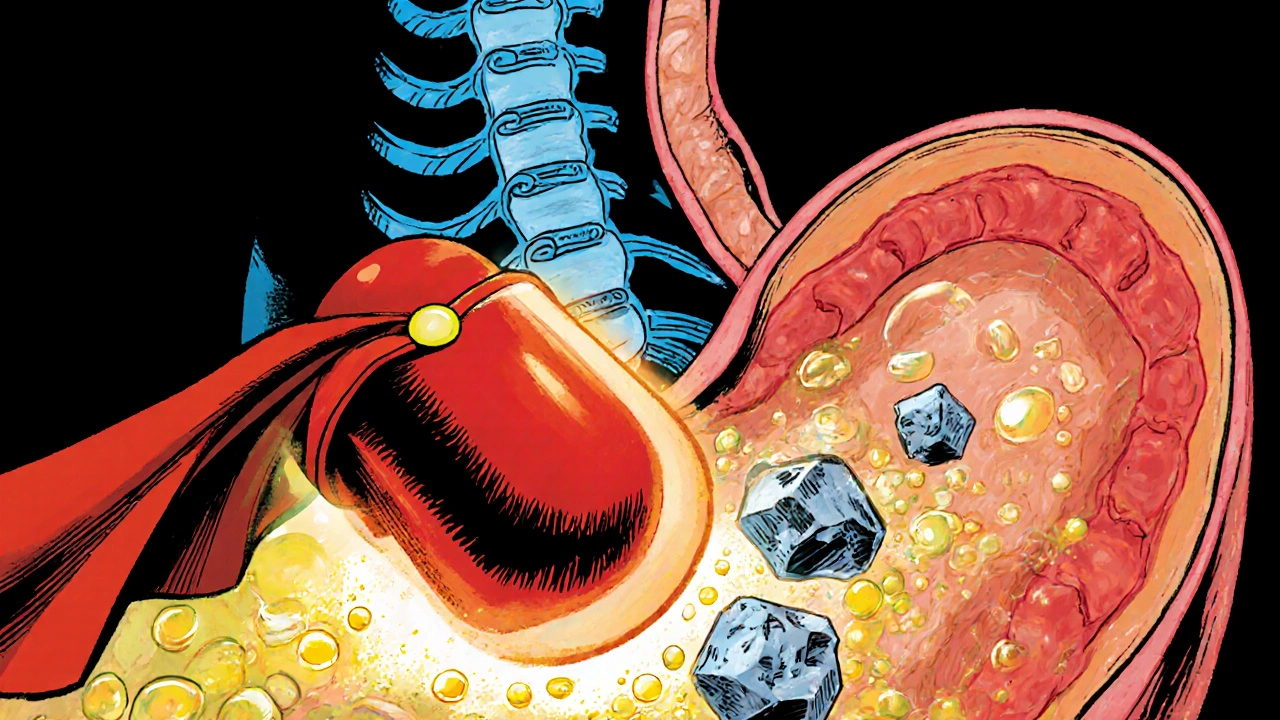
When working with ranitidine, an H2‑receptor antagonist that lowers stomach acid. Also known as Zantac, it is commonly used to treat heartburn, gastric ulcers, and gastro‑esophageal reflux disease. Ranitidine belongs to the broader class of histamine H2 receptor antagonists, drugs that block histamine‑driven acid production, and is often compared with proton pump inhibitors, stronger acid‑suppressing medicines like omeprazole. Because it reduces gastric acid, the corrosive fluid that aids digestion, ranitidine can affect the absorption of other drugs such as antacids or certain antibiotics.
Ranitidine works by binding to H2 receptors on the parietal cells of the stomach, which cuts the signal that tells the cells to release acid. The result is a calmer stomach environment that eases burning sensations and promotes ulcer healing. It comes in tablet, syrup, and injectable forms, so doctors can tailor the dose to adults, seniors, or even children in special cases. Typical dosing ranges from 75 mg twice daily for mild symptoms to 150 mg twice daily for more severe reflux, but the exact amount depends on age, weight, and the condition being treated.
In recent years, safety concerns have reshaped how ranitidine is viewed. Tests revealed that some batches contain N‑nitrosodimethylamine (NDMA), a probable carcinogen that can form when the drug degrades over time or under certain storage conditions. This discovery prompted regulators worldwide—including the FDA and the European Medicines Agency—to recall many products and, in several markets, to ban the drug entirely. The controversy underscores the need for patients to verify the source of their medication and to discuss alternatives with their healthcare providers.
Because ranitidine alters stomach acidity, it can interfere with the way other medicines are absorbed or broken down. Notable interactions include reduced effectiveness of the anticoagulant warfarin, altered levels of HIV drugs like atazanavir, and decreased absorption of antifungal agents such as itraconazole. Over‑the‑counter antacids may also compete for the same absorption pathways, leading to unpredictable blood levels. Always tell your doctor about every supplement, prescription, or herbal product you take to avoid unwanted side effects.
The articles below dive deeper into the kinds of topics we just touched on—drug mechanisms, safety alerts, dosage strategies, and interaction checks. Whether you’re looking for a quick refresher on a specific medication or need a detailed comparison of treatment options, this collection is organized to give you practical, evidence‑based answers without the medical jargon.
Explore how ranitidine may affect bone health, the evidence linking it to osteoporosis, and practical steps to protect your skeleton.