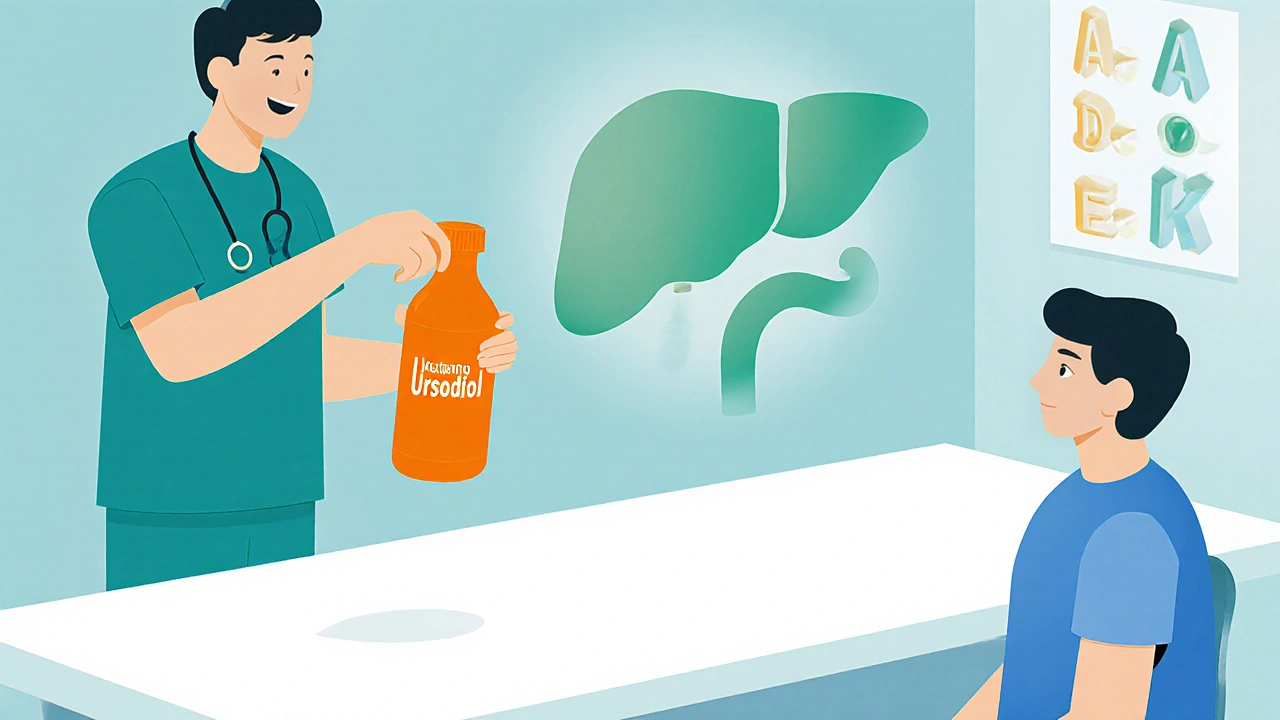
Ursodiol and Vitamin Deficiencies: How to Keep Liver Disease Patients Properly Nourished
Learn how to prevent vitamin deficiencies in liver disease patients on Ursodiol, with practical supplement doses, diet tips, and monitoring steps.
When dealing with primary biliary cholangitis, a chronic autoimmune disease that gradually destroys the small bile ducts in the liver. Also known as PBC, it belongs to the broader group of autoimmune liver diseases, which includes conditions such as autoimmune hepatitis. The first‑line therapy is ursodeoxycholic acid, a bile‑acid‑based medication that improves liver enzyme levels and slows disease progression. In simple terms, primary biliary cholangitis encompasses autoimmune destruction of bile ducts, requires ursodeoxycholic acid for effective management, and influences the development of liver fibrosis when untreated.
Most people notice the disease in their 40s or 50s, often after routine blood work shows elevated alkaline phosphatase. The classic symptom trio—persistent fatigue, itchy skin (pruritus), and dry eyes or mouth—can be subtle at first, which is why doctors rely on a combination of lab tests, imaging, and a liver biopsy to confirm the diagnosis. Imaging typically reveals a pattern of cholestasis, while antibodies such as anti‑mitochondrial (AMA) are positive in about 90 % of cases. When the disease advances, scar tissue builds up, leading to liver fibrosis and eventually cirrhosis. Understanding that cholestasis triggers bile‑acid build‑up helps explain why patients feel itchy and why controlling bile‑acid levels with ursodeoxycholic acid is so crucial.
Beyond medication, lifestyle tweaks play a big role. A balanced diet low in saturated fats and rich in antioxidants can lessen liver stress. Regular exercise helps combat fatigue and supports weight management, which is important because obesity can worsen liver fibrosis. Physicians also monitor bone density, as chronic liver disease can increase fracture risk. If ursodeoxycholic acid isn’t enough, newer agents like obeticholic acid may be added, and in end‑stage cases, liver transplantation becomes an option. The articles below dive into related topics such as weight‑gain side effects of certain drugs, how diabetes meds compare, and strategies for managing sleep disturbances—each offering practical tips that complement the core management of primary biliary cholangitis. Keep reading to discover actionable insights and detailed guides that will help you stay on top of your liver health.
Learn how to prevent vitamin deficiencies in liver disease patients on Ursodiol, with practical supplement doses, diet tips, and monitoring steps.