Obesity’s Effect on Intermittent Claudication and How to Lose Weight
Explore how obesity worsens intermittent claudication, how weight loss improves symptoms, and practical steps to walk pain‑free.
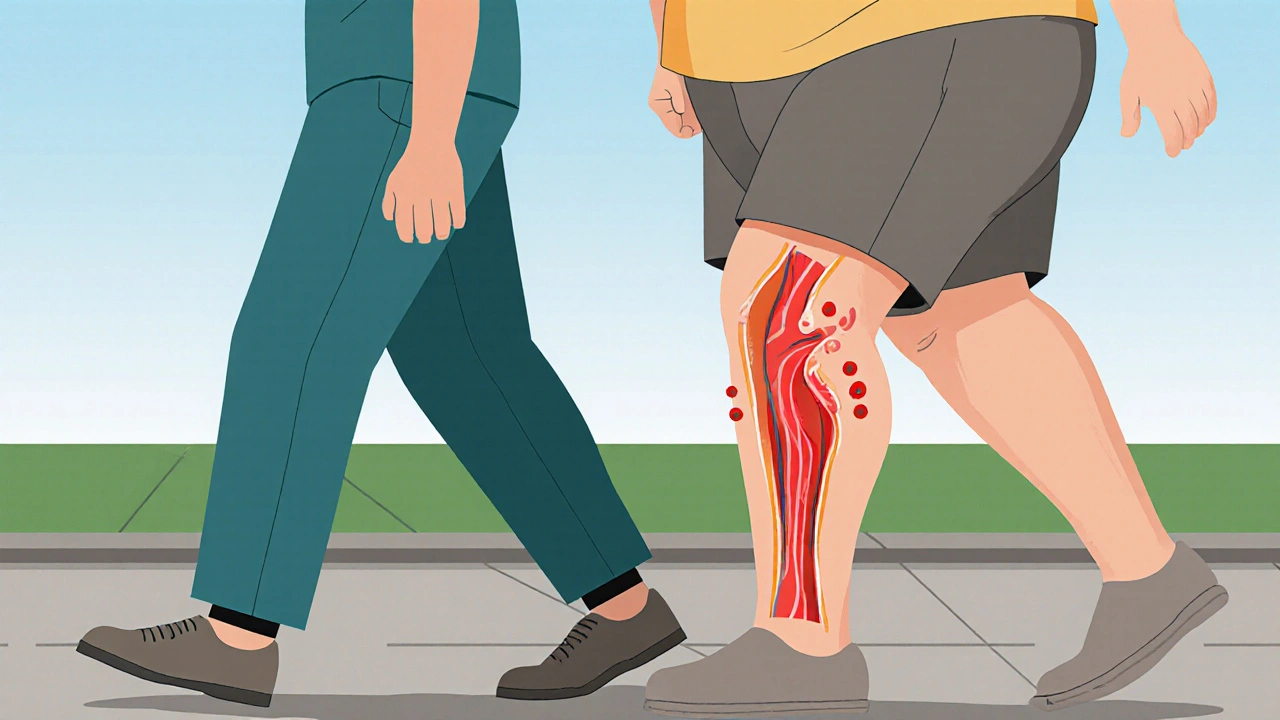
When dealing with obesity intermittent claudication, the coexistence of excess body weight and painful leg cramping that appears during walking because of reduced blood flow. Also known as weight‑related claudication, it signals a clash between metabolic strain and peripheral artery disease, a narrowing of the arteries that supply the legs. This condition is a clear example of a obesity intermittent claudication scenario, where two health problems amplify each other.
Why does extra weight make leg pain worse? Fat tissue releases inflammatory proteins that accelerate atherosclerosis, the buildup of plaque in arteries. As the vessels in the lower limbs narrow, muscles receive less oxygen during activity, triggering claudication. The ankle‑brachial index (ABI), a simple test that compares blood pressure in the ankle with that in the arm, often drops below 0.9 in these patients, confirming impaired blood flow. At the same time, cardiovascular risk factors such as high LDL cholesterol, hypertension, and smoking pile on, creating a perfect storm for both obesity and intermittent claudication.
Weight loss stands out as the most powerful lever. Even a modest 5‑10% reduction in body weight can boost arterial elasticity, lower inflammatory markers, and raise the ABI by several points. Nutritionists recommend a Mediterranean‑style diet rich in fruits, vegetables, whole grains, and healthy fats, because it cuts saturated fat while delivering fiber that helps control blood sugar and insulin spikes. In parallel, exercise therapy, specifically supervised treadmill walking, forces the leg muscles to adapt, forming new tiny vessels—a process called collateral circulation. Sessions of 30‑40 minutes, three times a week, often relieve pain within weeks.
Medication also plays a role. Antiplatelet agents like aspirin reduce clot formation, while statins lower LDL cholesterol and have a modest anti‑inflammatory effect that benefits both obesity and peripheral artery disease. For patients with severe arterial blockage, a minimally invasive procedure called angioplasty can widen the vessel, but doctors still stress that without addressing weight, symptoms often return.
Beyond medical and lifestyle tweaks, addressing psychosocial elements matters. Many patients report anxiety about walking outdoors because pain can be unpredictable. Cognitive‑behavioral strategies and group walking programs help rebuild confidence. Monitoring tools such as a pedometer or smartphone app keep track of daily steps, encouraging gradual progress and preventing relapse.
In summary, obesity intermittent claudication sits at the intersection of metabolic overload and poor leg perfusion. Understanding how excess weight fuels artery narrowing, recognizing the importance of the ABI, and combining weight‑loss nutrition with structured exercise and appropriate medication forms a comprehensive plan. The articles below dive deeper into each of these pieces, offering evidence‑based tips, real‑world case studies, and step‑by‑step guides to help you turn the tide on pain and improve overall heart health.
Explore how obesity worsens intermittent claudication, how weight loss improves symptoms, and practical steps to walk pain‑free.