Intraocular Pressure: What It Is, Why It Matters, and How It Affects Your Eyes
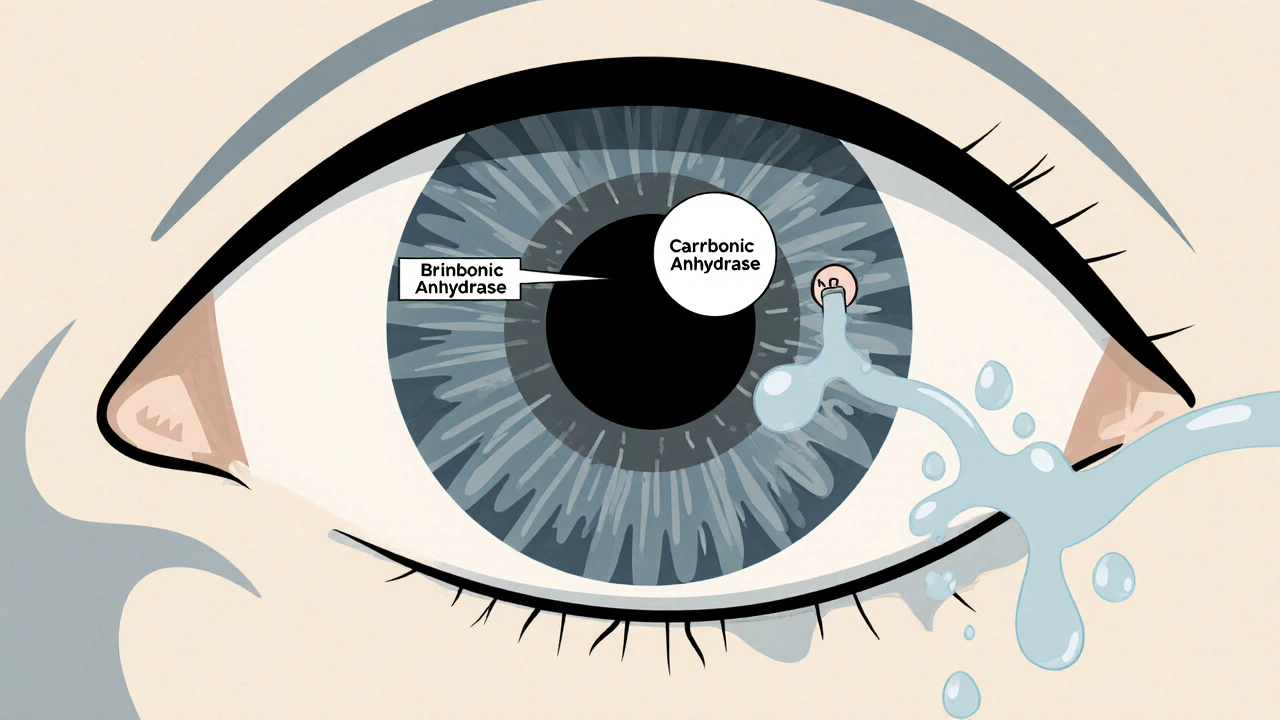
When you hear intraocular pressure, the fluid pressure inside your eye. Also known as eye pressure, it’s a number your doctor checks every time you get an eye exam—not because it’s routine, but because it can quietly signal serious damage to your vision. This pressure comes from the fluid called aqueous humor that fills the front part of your eye. It’s not just there to keep your eyeball round—it’s essential for nourishing tissues and removing waste. But when this fluid doesn’t drain properly, pressure builds up. And that’s where trouble starts.
High intraocular pressure doesn’t always cause symptoms, which is why so many people don’t know they have it until their vision starts to fade. It’s the leading risk factor for glaucoma, a group of eye diseases that slowly destroy the optic nerve. The optic nerve carries all the visual information from your eye to your brain. Once it’s damaged, you can’t get it back. That’s why measuring eye pressure isn’t just a formality—it’s a critical early warning system.
Normal eye pressure usually falls between 10 and 21 mm Hg. But some people develop glaucoma even with pressure in the normal range, while others have high pressure but never lose vision. That’s why doctors don’t rely on pressure alone. They look at the shape of your optic nerve, your eye’s drainage angle, your cornea thickness, and your family history. If you’re over 40, have diabetes, are Black or Hispanic, or have a close relative with glaucoma, you’re at higher risk. Regular eye exams aren’t optional—they’re your best defense.
What you’ll find in the posts below isn’t just a list of articles. It’s a collection of real, practical insights from people who’ve dealt with eye pressure, doctors who track it, and researchers who study how to stop it from harming vision. You’ll see how medications, lifestyle changes, and even sleep position can affect this number. You’ll learn what tests really matter, what symptoms to watch for, and why ignoring a high reading can cost you your sight. This isn’t theory. It’s what keeps people seeing clearly—and what helps others catch problems before it’s too late.