Acivirax’s Role in Treating Herpes Zoster Sine Herpete
Learn how Acivirax treats herpes zoster sine herpete, the rash‑free form of shingles, with dosage, timing, safety tips and a quick drug comparison.
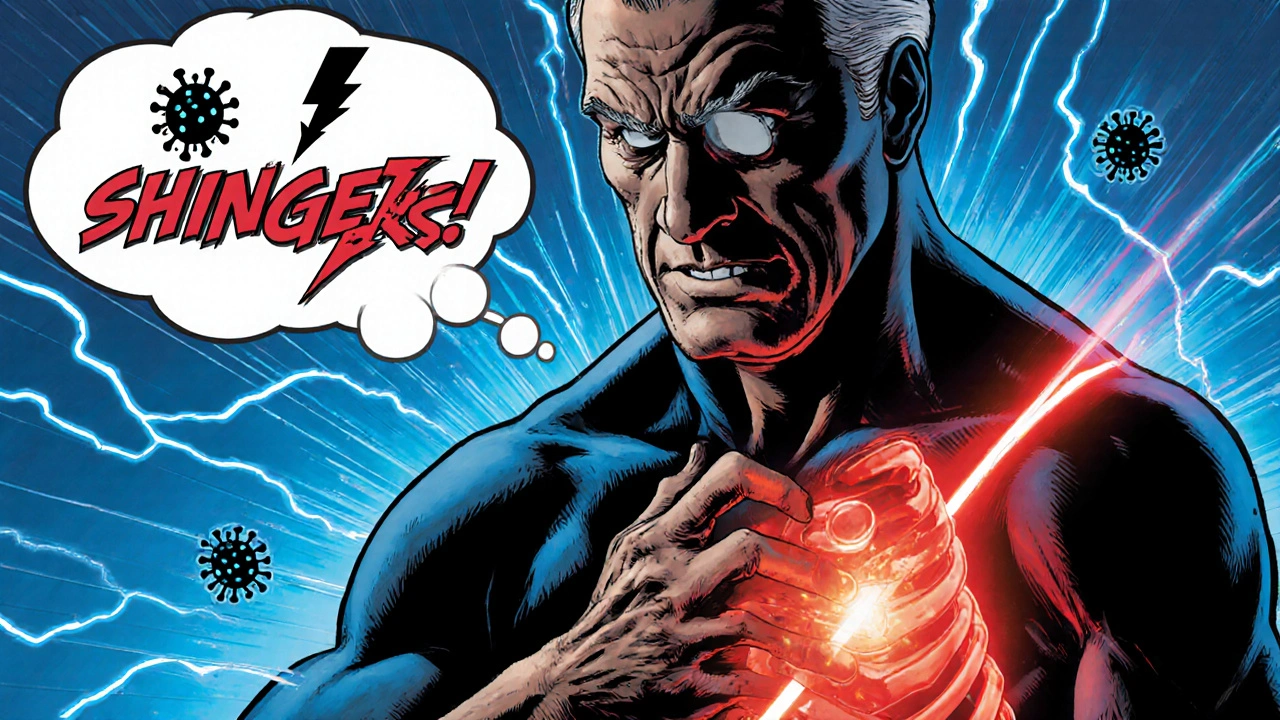
When talking about herpes zoster sine herpete, a form of shingles that shows pain without the classic skin rash. Also known as zoster sine herpete, it still stems from the same virus that causes chickenpox and typical shingles, but the skin stays clear while nerves light up with burning or tingling sensations. Because the rash is missing, doctors often miss the diagnosis, and patients may wander through a maze of tests before the right answer appears.
Understanding this condition means looking at a few tightly linked entities. shingles, the common name for herpes zoster, usually appears as a painful rash on one side of the body because the varicella‑zoster virus re‑activates in a nerve ganglion. varicella‑zoster virus, the DNA virus that causes both chickenpox and shingles lies dormant in sensory nerves after the initial infection and can awaken years later. When it awakens without producing a rash, the result is herpes zoster sine herpete. A common sequel is postherpetic neuralgia, persistent nerve pain that lasts months after the virus calms down, which can be especially severe after a rash‑free episode because the pain may be the only clue to the underlying virus. Finally, the zoster vaccine, an immunization that boosts immunity to varicella‑zoster virus helps keep the virus from re‑activating, reducing both classic shingles and its sine herpete variant.
Because the skin looks normal, doctors rely on a mix of patient history, nerve‑related symptoms and specific lab tests. The typical pattern is a sharp, burning, or electric‑shock feeling that follows a dermatomal line – the same area a shingles rash would hit. Blood tests for VZV‑specific IgM antibodies or polymerase chain reaction (PCR) of saliva or blood can confirm the viral re‑activation. Imaging isn’t usually needed unless another nerve problem is suspected.
Treatment mirrors that of regular shingles. Antiviral drugs such as acyclovir, valacyclovir or famciclovir are most effective when started within 72 hours of symptom onset, even if there’s no rash. Early therapy can shorten the pain duration and lower the risk of postherpetic neuralgia. Pain control often requires a layered approach: NSAIDs for mild discomfort, gabapentinoids (gabapentin or pregabalin) for nerve pain, and in severe cases, short courses of steroids or opioids under strict supervision. For patients with lingering pain after the virus settles, topical lidocaine patches or capsaicin creams provide localized relief.
Prevention is a powerful tool. The recombinant zoster vaccine (Shingrix) is over 90 % effective at stopping shingles and related complications in adults over 50, and it also cuts the odds of a rash‑free episode. Even younger adults with compromised immune systems benefit from vaccination, as their risk of re‑activation is higher.
Living with herpes zoster sine herpete can feel isolating because the pain appears out of nowhere and no visible sign validates it. Educating family, coworkers and health‑care providers about this hidden form of shingles makes a huge difference. Knowing that the same virus causes both rash‑ful and rash‑free outbreaks helps demystify the experience and guides you toward the right antivirals and pain‑relief strategies.
Below you’ll find a curated selection of articles that break down the science, share real‑world treatment tips, and answer the most common questions about this often‑overlooked condition. Dive in to learn how to spot the signs early, choose the best antiviral regimen, manage lingering nerve pain, and keep the virus from coming back.
Learn how Acivirax treats herpes zoster sine herpete, the rash‑free form of shingles, with dosage, timing, safety tips and a quick drug comparison.