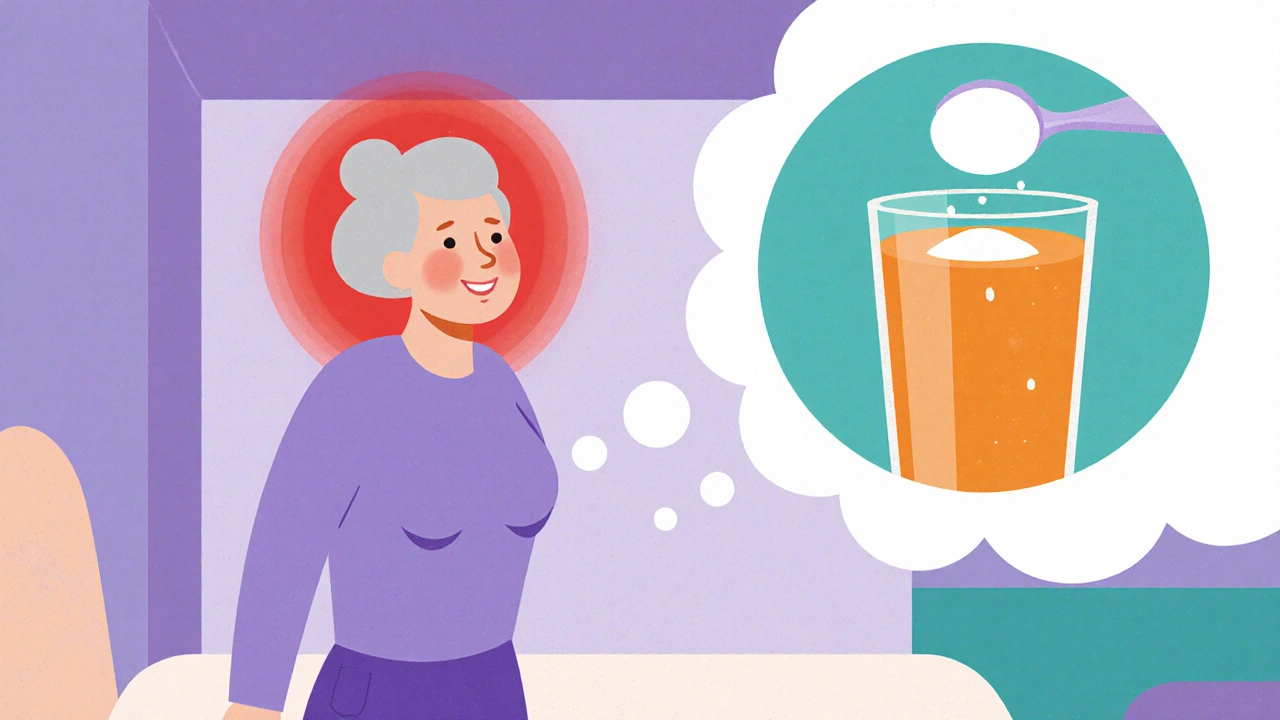
Can Cholestyramine Relieve Menopause Symptoms?
Explore whether cholestyramine can ease menopause symptoms, its benefits, risks, evidence, and practical tips for safe use.
When dealing with cholestyramine, a prescription resin that binds bile acids in the gut to lower LDL cholesterol. Also known as Questran, it works by preventing re‑absorption of bile acids, forcing the liver to use more cholesterol to make new ones. This core action creates the backdrop for most of its adverse reactions.
Cholestyramine belongs to the class of bile acid sequestrants, medications that trap bile acids and help reduce blood cholesterol levels. Because it swaps cholesterol for other substances, patients with hyperlipidemia, elevated blood lipids that raise heart disease risk often see big drops in LDL but may also experience digestive upset, nutrient malabsorption, or altered drug absorption. The drug’s powdery form can thicken stool, cause constipation, and sometimes lead to abdominal cramps – classic signs that the resin is doing its job in the intestine.
Because cholestyramine binds not just bile acids but also other compounds, drug interactions, especially with fat‑soluble vitamins and certain prescription meds are a frequent concern. For instance, taking it within two hours of a statin or a thyroid hormone can lower the effectiveness of those drugs. Patients on statins, cholesterol‑lowering agents that work by inhibiting HMG‑CoA reductase should stagger dosing to avoid reduced statin levels, which could blunt the overall lipid‑lowering effect.
Beyond medications, cholestyramine can sap vitamins A, D, E, and K, so clinicians often recommend a multivitamin taken at a different time of day. Monitoring electrolytes, especially potassium, is wise because the resin can increase stool potassium loss, leading to hypokalemia in vulnerable individuals. If you notice muscle weakness, irregular heartbeat, or severe constipation, those are warning signs that electrolyte balance may be off.
In everyday practice, the most common cholestyramine side effects include: gritty texture in the mouth, bloating, flatulence, and the dreaded “hard‑to‑pass” stools. Less frequent but more serious issues are allergic reactions (rash, itching, swelling) and severe constipation that could cause bowel obstruction. Most of these problems can be softened by drinking plenty of water, increasing dietary fiber, and using stool softeners – simple steps that keep the resin moving without compromising its cholesterol‑lowering power.
Understanding how cholestyramine fits into a broader hyperlipidemia treatment plan helps you anticipate what’s likely to happen and how to react. The next section of this page lists articles that break down specific side‑effect profiles, share patient‑tested coping tricks, and compare cholestyramine with newer lipid‑lowering options. Dive in to get practical tips you can apply right away.
Explore whether cholestyramine can ease menopause symptoms, its benefits, risks, evidence, and practical tips for safe use.