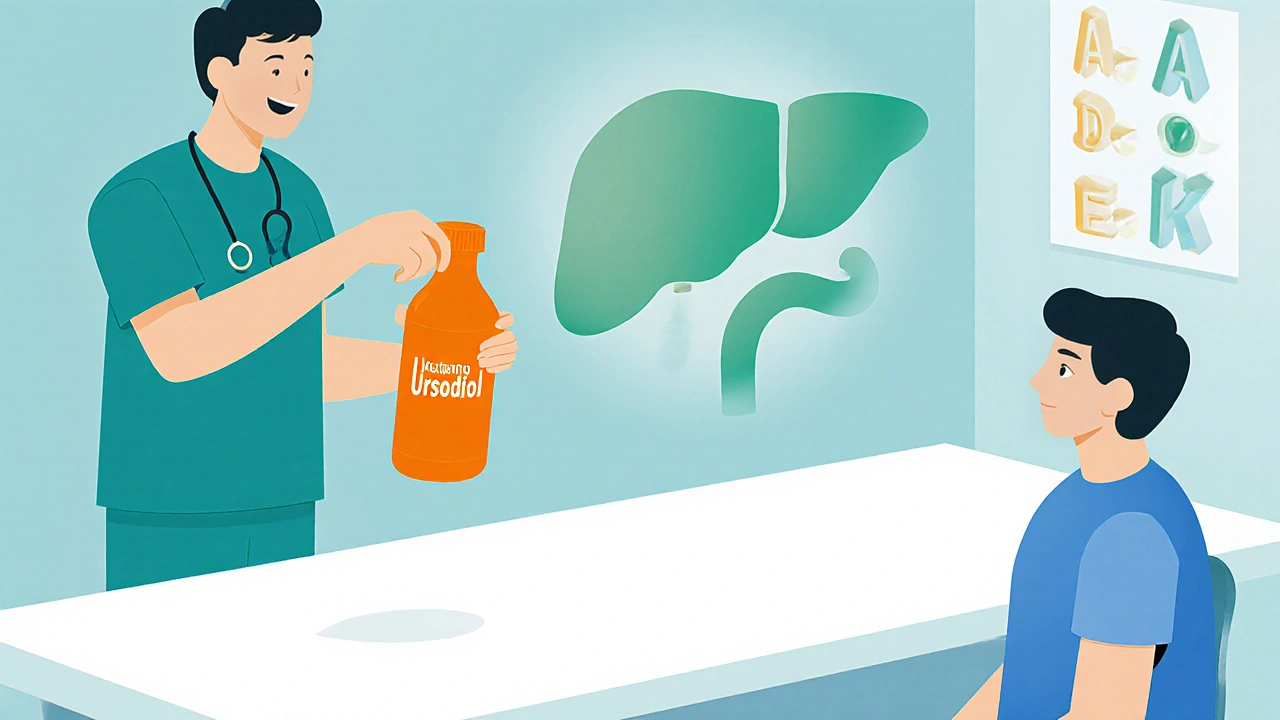
Ursodiol and Vitamin Deficiencies: How to Keep Liver Disease Patients Properly Nourished
Learn how to prevent vitamin deficiencies in liver disease patients on Ursodiol, with practical supplement doses, diet tips, and monitoring steps.
When dealing with cholestasis supplementation, the practice of adding specific nutrients and medicines to counteract bile flow problems. Also known as bile flow support, it targets the underlying cholestasis, a condition where bile cannot move properly from the liver to the intestine. This often occurs in the context of liver disease, any disorder that impairs liver function, such as hepatitis or cirrhosis. The goal is to replace lost nutrients, improve bile composition, and protect the liver from further damage.
Why supplement at all? When bile flow stalls, the body can’t absorb fats and the vitamins that travel with them. That leads to deficiencies, fatigue, and bone problems. cholestasis supplementation fills those gaps. It also helps lower toxic bile acids that build up and irritate liver cells. Think of it as a two‑step plan: replace what’s missing and reduce what’s harmful.
One of the biggest challenges is the loss of fat‑soluble vitamins, vitamins A, D, E, and K that need fat for absorption. Vitamin A supports vision and immunity; vitamin D is crucial for calcium balance; vitamin E protects cells from oxidative stress; and vitamin K is essential for clotting. In cholestasis, each of these can drop dramatically, so doctors often prescribe high‑dose forms or water‑soluble alternatives that bypass the gut.
Minerals aren’t far behind. Zinc and selenium act as antioxidants and aid liver regeneration. Zinc also helps maintain taste and appetite, which can suffer when bile isn’t flowing. Adding a balanced mineral supplement can improve overall energy and support immune function without overloading the liver.
Pharmacologic support often includes ursodeoxycholic acid, a bile acid that improves flow and protects liver cells. UDCA works by changing the composition of bile, making it less toxic and easier to move. It’s a mainstay for many cholestasis patients because it directly addresses the problem rather than just the symptoms.
Diet plays a silent but powerful role. Low‑fat, high‑protein meals reduce the workload on a struggling liver. Medium‑chain triglycerides (MCTs) are a smart choice because they’re absorbed directly into the bloodstream, sidestepping the bile‑dependent pathway. Pairing MCT oil with a vitamin‑rich smoothie can boost calorie intake without overtaxing bile production.
Monitoring is key. Regular blood tests for liver enzymes, bilirubin, and vitamin levels tell you whether the supplementation plan is working or needs tweaking. Too much vitamin A can be toxic, and excess vitamin K can interfere with blood thinners, so dosage adjustments are common. Keep a log of symptoms, lab results, and any side effects; it makes conversations with your healthcare provider much smoother.
Avoid common pitfalls: self‑prescribing high‑dose vitamins without labs, mixing supplements that interfere with each other, or ignoring the underlying cause of cholestasis. Treat supplementation as part of a broader management strategy that includes medical therapy, diet, and regular check‑ups. When done right, it can dramatically improve quality of life and slow disease progression.
Below you’ll find a curated collection of articles that dive deeper into each of these topics – from detailed vitamin guides to real‑world experiences with UDCA and practical diet tips. Whether you’re just starting to explore cholestasis supplementation or looking for advanced strategies, the posts ahead offer clear, evidence‑based insights you can put into action right away.
Learn how to prevent vitamin deficiencies in liver disease patients on Ursodiol, with practical supplement doses, diet tips, and monitoring steps.