Aspirin: Uses, Risks, and What You Need to Know
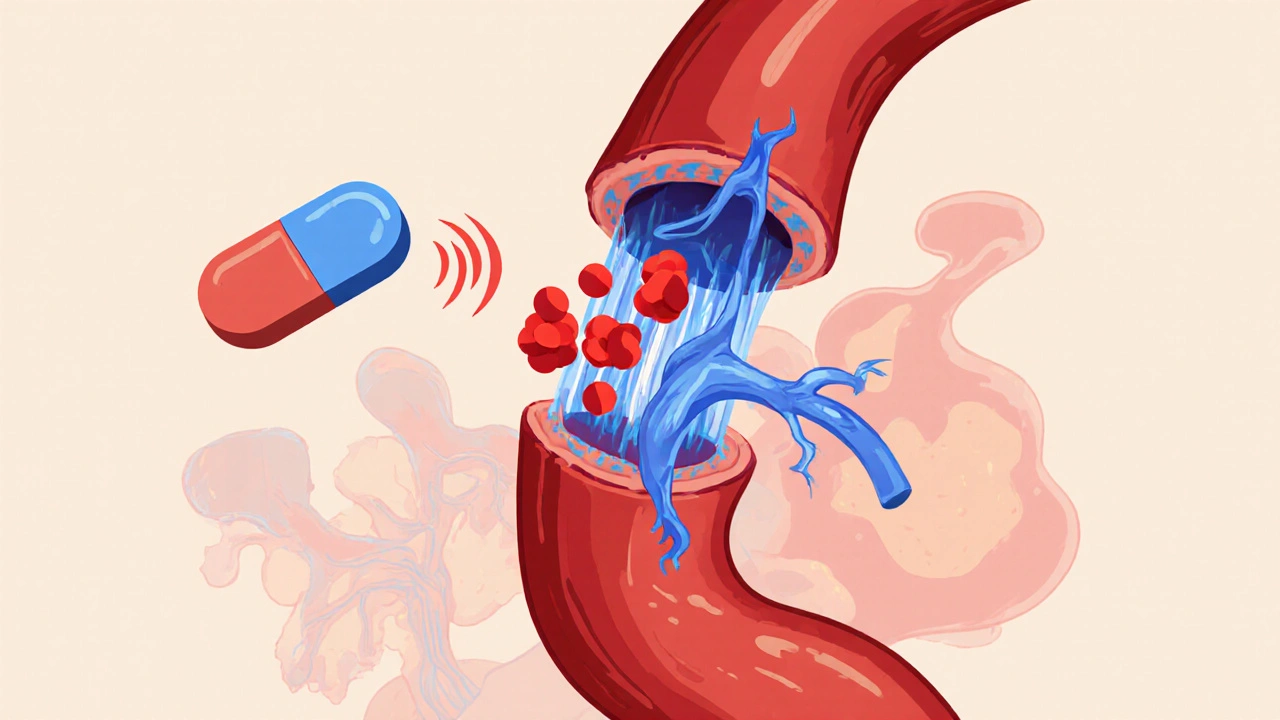
When you reach for a pill for a headache, fever, or to protect your heart, you’re often reaching for aspirin, a nonsteroidal anti-inflammatory drug (NSAID) used for pain, fever, and reducing blood clot risk. Also known as acetylsalicylic acid, it’s one of the most studied medications in history—used by millions daily, but not safe for everyone. It’s not just a painkiller. Low-dose aspirin is prescribed to prevent heart attacks and strokes in people with cardiovascular risk, thanks to its ability to thin the blood by stopping platelets from clumping. But that same effect can turn dangerous if you’re prone to bleeding or take it without medical advice.
Aspirin doesn’t just sit in your stomach—it affects your whole body. It blocks enzymes that cause inflammation, which is why it helps with arthritis pain and swelling. But it also irritates the stomach lining, which is why some people get ulcers or internal bleeding after long-term use. It’s linked to Reye’s syndrome in children with viral infections, so it’s avoided under age 18 unless specifically directed. And if you’re on other blood thinners like warfarin or even ibuprofen, mixing them with aspirin can raise your risk of serious bleeding. People with asthma, kidney disease, or gout need to be extra careful too. The dose matters: 81 mg daily for heart protection isn’t the same as 325 mg for a migraine. Many don’t realize that over-the-counter doesn’t mean risk-free.
Aspirin is also used off-label in surprising ways—like helping with preeclampsia in pregnancy under doctor supervision, or even studied for potential cancer prevention in high-risk adults. But none of these uses are one-size-fits-all. What works for a 60-year-old with high cholesterol might harm a 25-year-old with a sensitive stomach. The posts below cover real cases: how aspirin interacts with other meds, why some people stop taking it, what side effects actually happen in practice, and when skipping it might be the safer choice. You’ll find honest takes from people managing chronic pain, heart conditions, and unexpected reactions. No fluff. Just what you need to decide if aspirin is right for you—or if it’s time to talk to your doctor about alternatives.