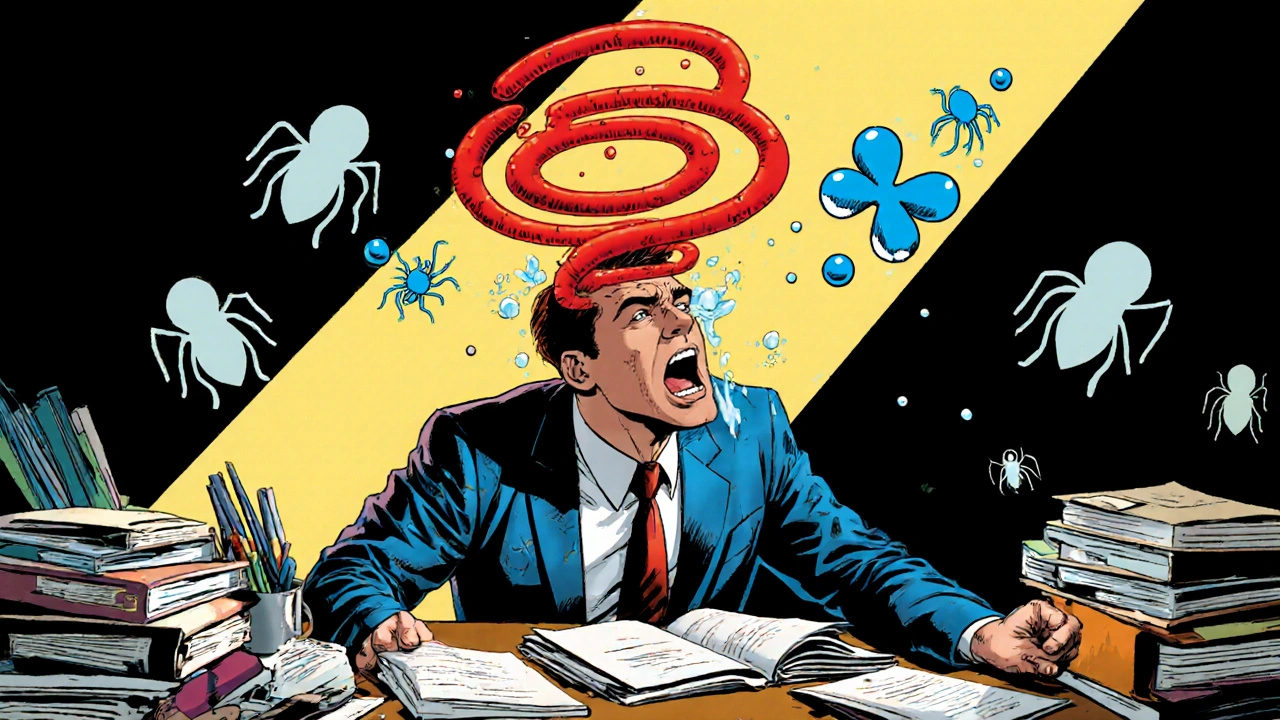
How Stress Triggers Year‑Round Allergy Symptoms
Learn how chronic stress amplifies year‑round allergy symptoms, spot stress‑driven flare‑ups, and apply proven stress‑management techniques for relief.
When dealing with allergy flare‑up triggers, the specific factors that provoke an allergic response after a symptom‑free period, you quickly realize how many everyday things can set off a reaction. Understanding allergy flare‑up triggers helps you spot patterns and cut them out. In short, a trigger is any exposure that switches a calm immune system back into over‑drive, sparking the classic signs of itching, sneezing, watery eyes, or breathing trouble. Recognizing this link between cause and effect is the first step toward fewer bad days.
One major group is allergens, substances like pollen, pet dander, or mold spores that the immune system mistakenly attacks. When an allergen meets a sensitized person, it binds to IgE antibodies on mast cells, launching a cascade that releases chemicals and inflames tissues. Seasonal pollen, indoor dust mites, and animal proteins are the top offenders, but even tiny bits of cockroach droppings can act as a trigger for some. Knowing which allergens dominate your environment lets you target cleaning, filtration, or avoidance strategies with precision.
The cascade releases histamine, a chemical that widens blood vessels and triggers itching, swelling, and mucus production, which is why you feel that sudden rush of symptoms. Histamine binds to receptors in the nose, eyes, and skin, causing the familiar runny nose, watery eyes, and hives. Antihistamine medications work by blocking these receptors, but they don’t stop the trigger itself. That’s why you may still notice a flare‑up after the meds wear off if you keep encountering the original cause.
Beyond classic allergens, environmental pollutants, like cigarette smoke, ozone, or volatile organic compounds, can irritate airways and lower the threshold for a flare‑up. Even low‑level exposure to indoor chemicals—from cleaning sprays to scented candles—can prime the immune system, making it react more violently to a later allergen encounter. Outdoor air quality alerts often mention “high pollen + pollutants,” because the two work together to amplify symptoms. Reducing exposure, such as using air purifiers or limiting outdoor activity on smoky days, can noticeably blunt the reaction.
Food allergens are another frequent trigger, especially for people with a history of eczema or asthma. Common offenders include peanuts, tree nuts, shellfish, milk, eggs, wheat, and soy. Even trace amounts can start a cascade that mirrors inhalant‑triggered symptoms, but with added gastrointestinal upset. Reading labels, asking about hidden ingredients, and carrying an epinephrine auto‑injector when prescribed are practical ways to stay safe. Some folks also develop cross‑reactivity—where a protein in a fruit mimics pollen, leading to oral allergy syndrome—so awareness of personal patterns matters.
Medication‑related triggers can surprise anyone. Certain drugs, such as aspirin, NSAIDs, or even some blood pressure meds, can enhance histamine release or directly irritate nasal passages. If you notice a new pattern after starting a prescription, discuss alternatives with your doctor. Often, a simple switch or dosage adjustment eliminates the drug‑induced flare‑up without sacrificing treatment benefits.
Start by keeping a simple symptom diary for two weeks. Note the time of day, location, foods eaten, activities, and any new products you used. Over time, you’ll see clusters that point to specific triggers. Once identified, apply the three‑step rule: avoid, mitigate, and treat. Avoidance means removing the source when possible—like swapping houseplants for low‑pollen varieties or using hypoallergenic bedding. Mitigation includes actions that reduce exposure, such as HEPA filters, regular washing of linens, or installing a dehumidifier to curb mold. Treatment covers fast‑acting relief—antihistamines, nasal sprays, or prescribed biologics—that address the histamine surge after a trigger slips through.
All of this groundwork prepares you for the detailed articles below, where we break down each trigger type, explore the science behind the reactions, and share actionable tips you can start using today. Dive in to discover how a clear understanding of your personal allergy flare‑up triggers can turn chaotic days into manageable ones.
Learn how chronic stress amplifies year‑round allergy symptoms, spot stress‑driven flare‑ups, and apply proven stress‑management techniques for relief.