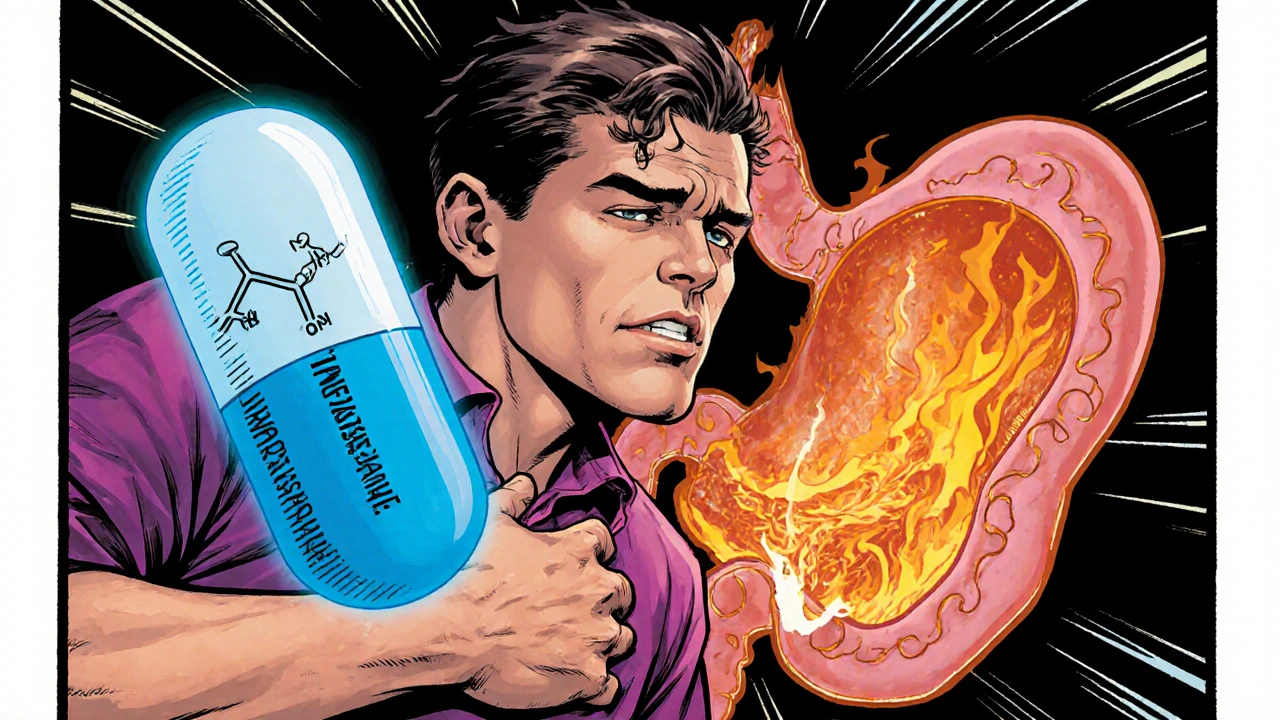
Lansoprazole and IBS: Can It Relieve Your Symptoms?
Explore whether Lansoprazole, a proton pump inhibitor, can ease IBS symptoms, the evidence behind its use, side effects, and practical guidelines for patients.
When talking about proton pump inhibitor, a class of medicines that block the stomach’s acid‑producing pump. Also known as PPI, it is the go‑to option for many doctors when acid‑related problems flare up.
The gastric acid, the corrosive fluid that helps digest food is essential, but too much of it causes heartburn, ulcer pain, and damage to the esophagus. GERD, gastro‑esophageal reflux disease, is the chronic form of this problem. PPIs reduce the amount of gastric acid released, giving the lining time to heal. They do this by binding to the H⁺/K⁺‑ATPase pump in parietal cells, effectively turning the “on” switch off. Because they act at the final step of acid production, they are more potent than H2 blocker, an older class that blocks histamine‑driven acid release. This potency makes PPIs the preferred choice for severe erosive esophagitis, Zollinger‑Ellison syndrome, and for protecting the stomach when patients take NSAIDs.
While the acid‑lowering effect is a clear benefit, PPIs also have a ripple effect on other systems. Many PPIs are metabolised by CYP450 enzymes, a family of liver enzymes that process a wide range of drugs. This means that PPIs can either boost or blunt the levels of medications like warfarin, clopidogrel, or certain antibiotics. Understanding that PPI‑CYP450 interaction influences prescribing decisions is a key part of safe therapy. The most common PPIs—omeprazole, esomeprazole, pantoprazole, and rabeprazole—share this metabolic pathway, though the degree of interaction varies.
Beyond the chemistry, real‑world use brings up practical questions: How long should you stay on a PPI? What dose works best for occasional heartburn versus chronic ulcer disease? Which side effects deserve a doctor's call? Short‑term use (up to 8‑12 weeks) is generally safe, but long‑term therapy has been linked to low magnesium, vitamin B12 deficiency, and an increased risk of certain infections. Lifestyle tweaks—like avoiding late‑night meals, limiting caffeine, and raising the head of the bed—can enhance the drug’s effect and may allow a lower dose. If you’re worried about drug interactions, ask your pharmacist to check for CYP450 concerns before adding a new prescription.Below you’ll find a curated collection of articles that dive deeper into these topics. From the science behind omeprazole’s rise to the latest safety alerts on long‑term use, the posts give you actionable advice, dosing tables, and side‑effect management tips. Browse through to see how PPIs compare with H2 blockers, learn about specific drug‑interaction scenarios, and get practical steps for tapering off if you’ve been on therapy for a while. This overview sets the stage, so you can pick the pieces that matter most to your health journey.
Explore whether Lansoprazole, a proton pump inhibitor, can ease IBS symptoms, the evidence behind its use, side effects, and practical guidelines for patients.