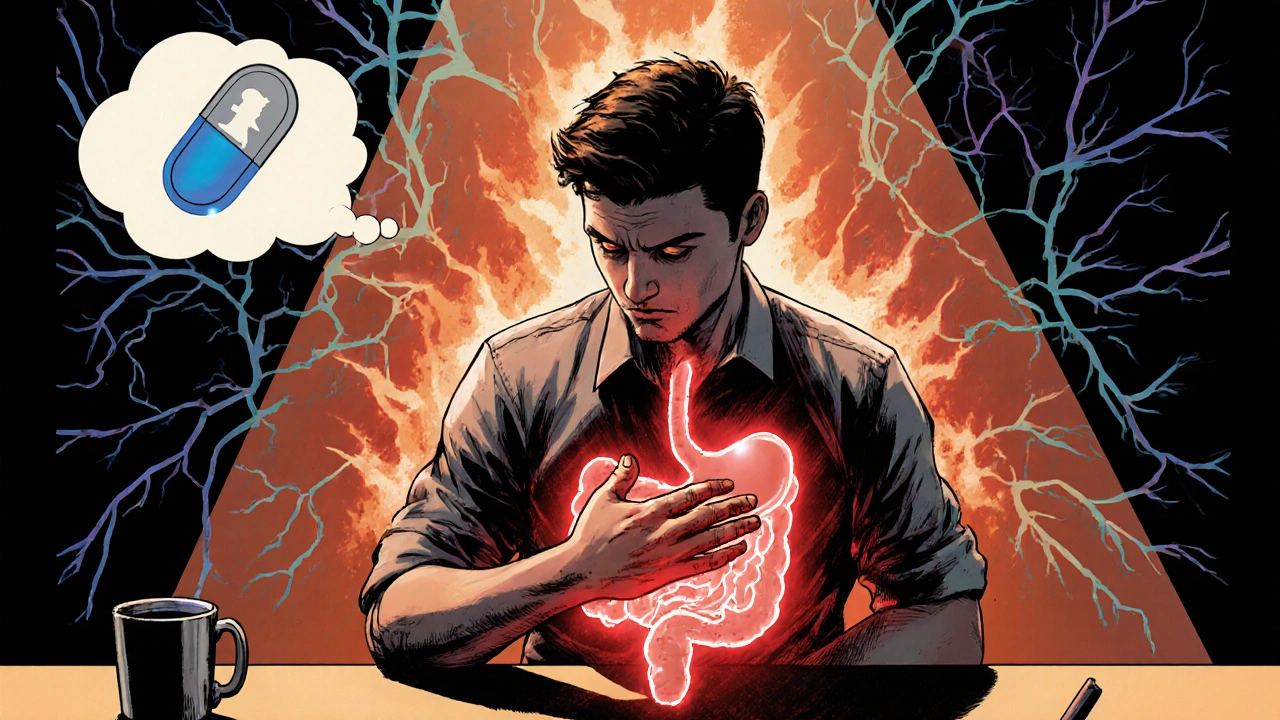
Can Mirtazapine Relieve Irritable Bowel Syndrome?
Explore how the antidepressant Mirtazapine may help relieve IBS symptoms, its science, evidence, dosage tips, and when to consider off‑label use.
When dealing with Irritable Bowel Syndrome, a chronic disorder marked by abdominal pain, bloating, and irregular stool patterns. Also known as IBS, it affects millions worldwide and often shows up alongside anxiety, fatigue, and dietary sensitivities. Irritable Bowel Syndrome isn’t a disease you can simply cure; it’s a condition you learn to manage through a mix of nutrition, gut‑brain communication, and smart medication choices.
One of the biggest game‑changers for IBS is Low FODMAP diet, a short‑term elimination plan that cuts fermentable carbs known to trigger gas and bowel distress. When you strip out these hidden sugars, many people see a drop in pain and urgency within weeks. Another player is Probiotics, live microorganisms that can rebalance gut flora and potentially calm the gut‑brain axis. Not all strains work the same way, but research points to Bifidobacterium and Lactobacillus combos as useful allies for IBS‑C (constipation‑dominant) and IBS‑D (diarrhea‑dominant). Dietary fiber, especially soluble types like psyllium, helps regulate bowel movements without the harsh cramping caused by insoluble fiber is another cornerstone—think oats, carrots, and peeled apples. Finally, the gut‑brain axis, the two‑way communication line between the enteric nervous system and the central nervous system explains why stress, sleep, and mood swings can flare IBS symptoms just as much as a bad meal.
Putting these pieces together creates a clear roadmap: you start by identifying which IBS subtype you have, then tailor diet, supplement, and lifestyle steps accordingly. For example, an IBS‑D patient might prioritize a low FODMAP plan, add a soluble fiber supplement, and experiment with a probiotic containing Lactobacillus rhamnosus to tame urgency. Meanwhile, someone with IBS‑C may lean on psyllium, a gentler FODMAP approach, and a Bifidobacterium blend to soften stool consistency. Medication can also fit in—antispasmodics for cramping, rifaximin for bacterial overgrowth, or low‑dose tricyclic antidepressants for pain modulation—but those choices should always follow a solid foundation of diet and gut health. Below you’ll find a curated set of articles that dig deeper into each of these strategies, from the science behind low FODMAP to real‑world tips for using probiotics safely. Ready to see how these insights translate into daily actions? Browse the collection and start building your personal IBS plan today.
Explore how the antidepressant Mirtazapine may help relieve IBS symptoms, its science, evidence, dosage tips, and when to consider off‑label use.