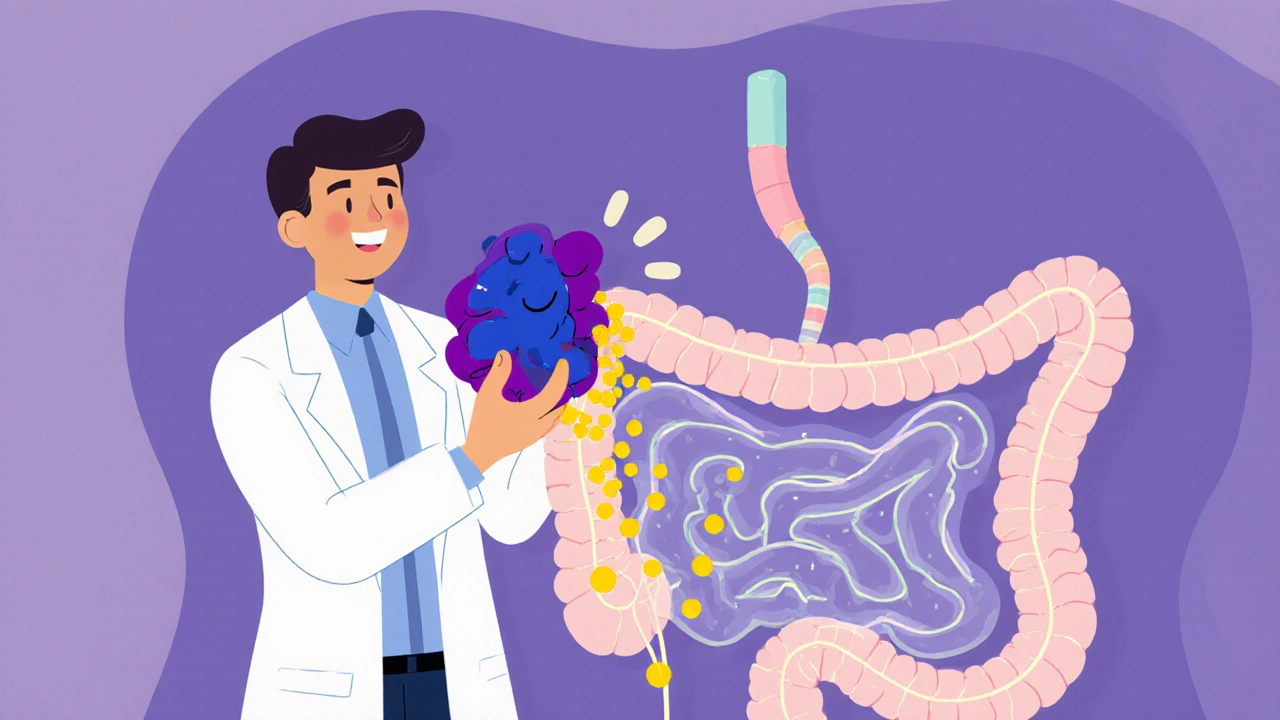
Cholestyramine is a bile acid sequestrant medication that binds bile acids in the intestine, preventing their reabsorption. It’s been used for decades to lower cholesterol, but doctors have also prescribed it for digestive problems. If you’ve heard the word cholestyramine in a gastroenterology clinic and wondered whether it could calm your IBS flare‑ups, you’re in the right place. This guide walks through what IBS is, why bile acids matter, and how the drug might fit into a symptom‑management plan.
Quick Takeaways
- Cholestyramine works by trapping excess bile acids that can trigger diarrhea in some IBS patients.
- It’s most helpful for IBS‑D (diarrhea‑predominant) linked to bile acid malabsorption.
- Start with a low dose, take it at least an hour before or two hours after other meds, and watch for constipation or fat‑soluble vitamin loss.
- Combine it with a low‑FODMAP diet, probiotics, or fiber for broader symptom control.
- Talk to a doctor about a 14‑day stool test to confirm bile acid issues before committing.
What Is Cholestyramine and How Does It Work?
At its core, cholestyramine is a high‑molecular‑weight resin. When you swallow a powder that turns into a thick paste, the resin binds to bile acids in the gut. Those bound acids are then swept out with the stool instead of being recycled back to the liver. By pulling bile acids out of the circulation, the drug lowers cholesterol and, more relevant here, reduces the amount of bile acid that reaches the colon.
Why does that matter for IBS? Bile acids are natural detergents that help absorb fats. If too many make it into the colon, they irritate the lining and speed up water secretion, leading to watery stools and cramping. In people with bile‑acid malabsorption (BAM), the colon sees an overload of these acids, and the result can mimic IBS‑D symptoms.
Understanding Irritable Bowel Syndrome (IBS)
Irritable Bowel Syndrome (IBS) is a functional gastrointestinal disorder characterized by chronic abdominal pain and altered bowel habits without an overt structural cause. It’s usually broken into three sub‑types:
- IBS‑D: diarrhea‑predominant
- IBS‑C: constipation‑predominant
- IBS‑M: mixed pattern
About 10‑15% of adults meet the diagnostic criteria, and many say the condition disrupts work, social life, and mental health. While the exact cause remains fuzzy, a combination of gut‑brain signaling, altered motility, and microbiome changes is widely accepted.
The Hidden Link: Bile Acid Malabsorption and IBS‑D
Bile Acid Malabsorption occurs when the ileum (the final part of the small intestine) fails to re‑absorb bile acids efficiently. The unabsorbed acids travel to the colon, where they act like a laxative. Studies from the UK and the US estimate that up to 30% of IBS‑D patients actually have underlying BAM.
Doctors can confirm BAM with a SeHCAT scan (a radioactive tracer test) or a 14‑day stool collection measuring bile‑acid content. The test isn’t routine because of cost and limited availability, so many clinicians rely on symptom patterns and trial therapy with a bile‑acid binder.

How Cholestyramine Can Help Manage IBS Symptoms
When you give cholestyramine to someone with BAM‑related IBS‑D, the resin grabs the excess bile acids, reducing their irritating effect on the colon. The result is often fewer daily stools, less urgency, and milder abdominal cramping.
A 2022 double‑blind study involving 84 IBS‑D patients showed that 58% experienced a ≥30% reduction in stool frequency after four weeks of cholestyramine (4 g twice daily). Another real‑world chart from a Bristol gastro clinic reported similar improvements, especially when patients paired the drug with a low‑FODMAP diet.
The benefit isn’t universal. If your IBS symptoms stem mainly from constipation, visceral hypersensitivity, or dysbiosis, cholestyramine won’t address the root cause and may even worsen constipation.
Who Is Most Likely to Benefit?
Consider cholestyramine if you meet one or more of these criteria:
- You have IBS‑D with frequent loose stools (≥3 per day) and urgency.
- Standard antidiarrheal agents (like loperamide) provide only partial relief.
- You notice that fatty meals trigger worse diarrhea.
- Your doctor suspects bile‑acid malabsorption based on stool patterns or a recent ileal resection.
In practice, many clinicians start a short therapeutic trial-usually two weeks at a low dose-to see if symptoms improve before ordering a formal test.
Practical Tips for Using Cholestyramine Safely
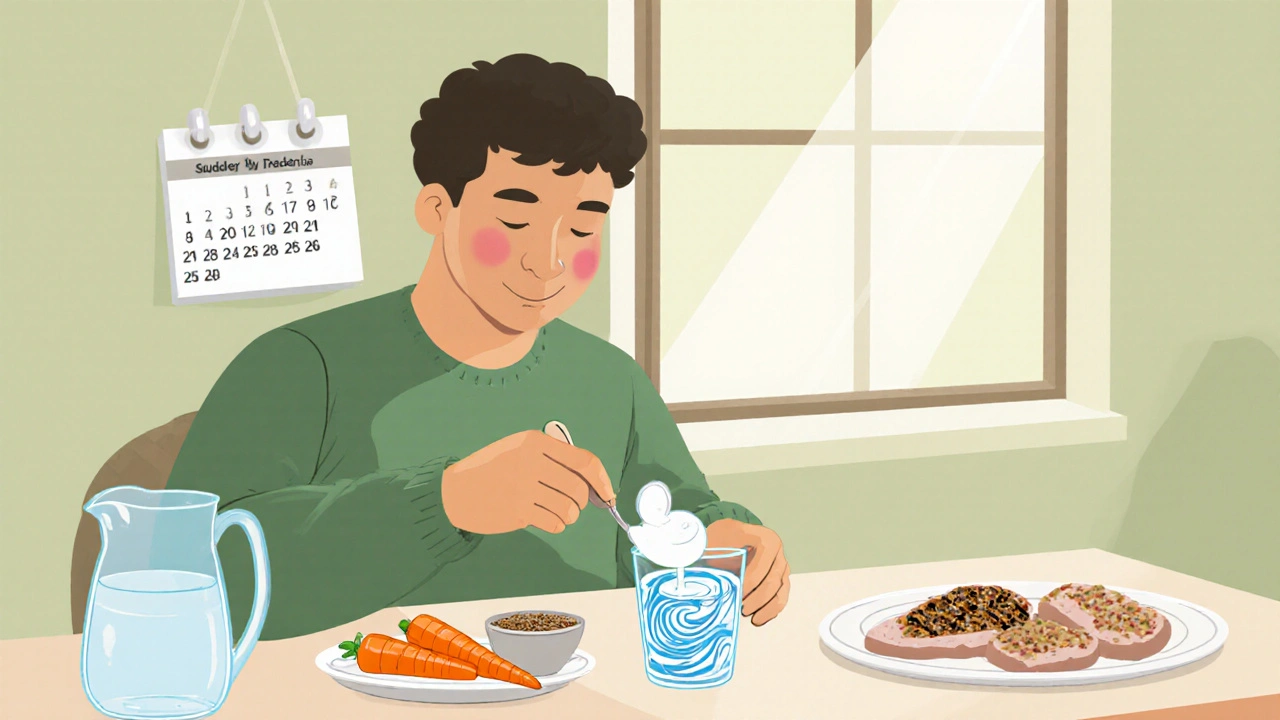
- Start low, go slow: Begin with 4 g (about one tablespoon of powder mixed in water) once daily. If tolerated, increase to twice daily.
- Timing matters: Take it at least 1 hour before or 2 hours after other medications, as the resin can bind to them and reduce effectiveness.
- Watch for constipation: If stool frequency drops below three per week, cut the dose by half or add a soluble fiber supplement such as psyllium.
- Mind nutrient absorption: Long‑term use can reduce fat‑soluble vitamins (A, D, E, K). Consider a multivitamin or periodic blood tests.
- Stay hydrated: The resin can make stools bulky; plenty of water helps prevent blockage.
Common side‑effects include bloating, mild abdominal cramping, and a chalky taste. Most people find these subside after a few days.
When to Look at Alternatives
If cholestyramine isn’t providing relief or you’re dealing with IBS‑C or IBS‑M, other options may be a better fit. Below is a quick comparison of the main pharmacologic choices for IBS‑D.
| Medication | Primary Action | Typical Dose | Key Benefits | Major Drawbacks |
|---|---|---|---|---|
| Cholestyramine | Bile‑acid binding | 4 g 1-2 × daily | Targets BAM‑related diarrhea | Can cause constipation, vitamin loss |
| Loperamide | Opioid‑type gut motility slowdown | 2 mg after each loose stool (max 8 mg/day) | Fast‑acting, inexpensive | May mask infection, leads to constipation |
| Rifaximin | Non‑systemic antibiotic | 550 mg 3 × daily for 14 days | Improves bloating, gas, some diarrhea | Cost, risk of resistance |
| Eluxadoline | µ‑opioid receptor agonist/antagonist | 100 mg twice daily | Reduces stool frequency, pain | Not for patients with sphincter of Oddi dysfunction |
Choosing the right tool depends on your symptom profile, any existing health conditions, and how you tolerate each medication.
Complementary Lifestyle Strategies
Even if a drug works, pairing it with diet and lifestyle tweaks often yields the best results. Here are three evidence‑based additions:
- Low‑FODMAP Diet limits fermentable carbs that feed gas‑producing bacteria, reducing bloating and pain.
- Probiotics such as Bifidobacterium infantis can re‑balance gut flora and improve overall bowel regularity.
- Soluble Fiber (psyllium husk) adds bulk to stool without stimulating excess gas, helpful if cholestyramine causes mild constipation.
Remember, dietary changes should be introduced gradually. If you’re unsure, a dietitian specializing in functional GI disorders can create a personalized plan.
FAQs - Your Common Questions Answered
Can cholestyramine cure IBS?
No. It can relieve diarrhea caused by bile‑acid malabsorption, which is one possible driver of IBS‑D. It won’t fix motility issues, pain from hypersensitivity, or constipation‑dominant forms.
Do I need a special test before trying cholestyramine?
A test isn’t mandatory, but a 14‑day stool bile‑acid measurement or a SeHCAT scan can confirm BAM. Many clinicians start a short trial if the pattern fits and adjust based on response.
How long should I stay on cholestyramine?
If symptoms improve, some patients stay on a low maintenance dose indefinitely. Periodic reviews (every 6‑12 months) help catch nutrient deficiencies or the need to taper.
Can it interact with other IBS meds?
Yes. Because it binds substances in the gut, take it at least an hour apart from antibiotics, antidepressants, or thyroid pills to avoid reduced absorption.
What should I watch for as side‑effects?
Common complaints are constipation, bloating, and a chalky mouthfeel. If you develop severe abdominal pain, bloody stools, or signs of vitamin deficiency, contact your doctor.
Putting It All Together
Cholestyramine isn’t a miracle cure, but for a subset of IBS‑D patients-especially those with confirmed or suspected bile‑acid malabsorption-it can be a game‑changer. Pair it with diet tweaks, monitor nutrient status, and keep an open line with your gastroenterologist.
Start with a low dose, track your stool frequency and consistency, and be ready to adjust. If the drug doesn’t move the needle after a two‑week trial, discuss alternative options like loperamide, rifaximin, or targeted dietary plans.
Living with IBS is a marathon, not a sprint. Understanding the underlying mechanisms, such as how bile acids influence gut water balance, empowers you to make smarter treatment choices. Whether cholestyramine becomes part of your toolkit or you move on to something else, the key is a personalized, evidence‑backed approach.
Erin Leach
October 26, 2025
It can feel overwhelming when the bowel decides to sabotage your day, but you’re not alone in this struggle. Many people with IBS‑D find that targeting bile‑acid malabsorption makes a noticeable difference. Starting low with cholestyramine and watching how your stool frequency changes is a sensible first step. Pairing the medication with a low‑FODMAP approach often amplifies the benefit without adding extra stress. Keep a simple diary of foods, doses, and symptoms-it’s a small habit that pays off.
Erik Redli
October 26, 2025
This is just another pharma gimmick trying to sell you more pills.
Carla Smalls
October 27, 2025
When you’ve spent years hopping from one diet plan to the next, it’s natural to feel skeptical about adding another variable like cholestyramine, but the evidence for bile‑acid sequestrants in IBS‑D is surprisingly solid. The key is to identify whether bile‑acid malabsorption is actually driving your diarrhea, because if it isn’t, the resin could leave you feeling constipated and frustrated. A practical way to test the hypothesis is a short two‑week trial at 4 g once daily, documenting stool consistency on the Bristol scale each day. If you notice a shift from type 6–7 toward type 3–4, that’s a strong signal that the drug is doing its job. During the trial, stay hydrated and consider a soluble fiber like psyllium to keep things moving smoothly without over‑loading your gut. Remember that cholestyramine can bind fat‑soluble vitamins, so a daily multivitamin or periodic blood work is a wise precaution. In addition to the medication, maintain a low‑FODMAP framework; avoiding excess fructans, galactans, and polyols reduces the fermentable substrate that fuels gas and bloating. Probiotic supplementation, especially strains like Bifidobacterium infantis, can further stabilize the microbial environment and enhance overall comfort. If you have any history of ileal resection or gallbladder removal, bring that up with your doctor, as those conditions raise the likelihood of bile‑acid malabsorption. Should the trial show no meaningful improvement after two weeks, discuss alternative agents such as rifaximin or eluxadoline with your gastroenterologist. The goal is not to become dependent on a single pill, but to integrate it into a broader, personalized management plan. Keep in mind that mental health plays a role; stress‑reduction techniques like mindfulness or gentle yoga can modulate gut‑brain signaling and complement the pharmacologic effect. Celebrate small victories-fewer urgent bathroom trips mean more freedom at work or social events. Stay patient; gut healing often occurs in incremental steps rather than dramatic overnight changes. Finally, maintain open communication with your healthcare team, sharing any side‑effects like constipation or unusual taste so they can adjust the regimen promptly. Your persistence will pay off as you learn what works best for your unique gut.
Jay Campbell
October 27, 2025
Thanks for the thorough rundown; I’ll try a short trial and keep a log as you suggested.
Monika Pardon
October 28, 2025
One might wonder whether the pharmaceutical industry truly wishes to illuminate the obscure pathways of bile‑acid metabolism, or merely to perpetuate a cascade of prescriptions that enrich the supply chain under the pretense of scientific rigor.
Rhea Lesandra
October 28, 2025
Starting a bile‑acid binder can feel daunting, yet it’s often a straightforward adjustment when you understand the mechanics. First, measure the powder precisely-most kits provide a scoop that equals roughly four grams. Mix it into a glass of water, stir until uniform, and drink it at least an hour before any other medication to avoid binding. Observe your stool pattern for at least a week; a shift toward firmer consistency signals efficacy. If you experience mild bloating, a short course of peppermint oil may soothe the discomfort without interfering with the binder. Remember to supplement fat‑soluble vitamins periodically, especially vitamin D, which many patients neglect. Pairing this regimen with a low‑FODMAP diet amplifies the benefit, as you reduce both the irritant (excess bile acids) and the fermentable substrate (FODMAPs). Stay motivated-consistent tracking and small dietary tweaks often lead to the biggest improvements over time.
Tim Waghorn
October 29, 2025
To clarify, the optimal timing is precisely 60 minutes before or 120 minutes after concomitant agents; deviation can reduce the resin’s binding efficiency by up to 30 percent, as demonstrated in controlled pharmacokinetic studies.
Brady Johnson
October 29, 2025
Let’s cut through the hype: the data on cholestyramine is a patchwork of small trials, and the enthusiasm around “BAM‑related IBS‑D” often masks the fact that many patients never achieve meaningful remission, merely a slight blip in stool frequency that fades once the novelty wears off.
Laura Hibbard
October 30, 2025
Well, if dramatic flair were a treatment, we’d all be cured by now, but in all seriousness, a balanced approach that tests the drug for a short period before committing is the most diplomatic path forward.
Jennyfer Collin
October 30, 2025
While the mainstream narrative celebrates cholestyramine as a safe adjunct, few acknowledge the covert funding streams that influence guideline committees, nor the long‑term ramifications of chronic resin use on the microbiome, which some independent labs suggest could predispose to dysbiosis and opportunistic infections.
Rachel Zack
October 30, 2025
People should think twice before i ngesting more chemicals that cant affect their bodies.